
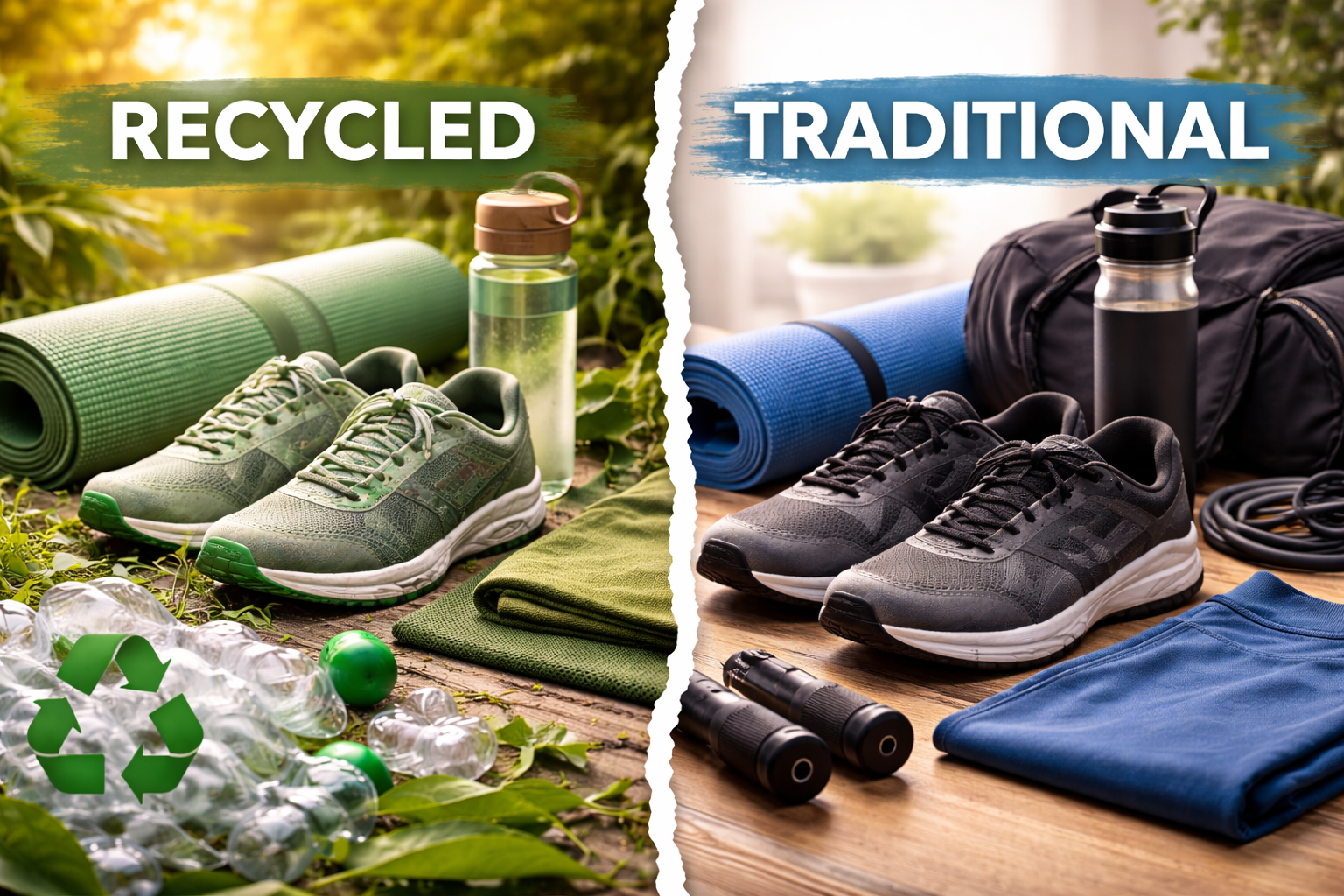
Recycled sports gear has come a long way in recent years. Today, many athletes wonder whether eco-friendly materials can truly match the durability and performance of traditional, newly manufactured gear.
The short answer is: yes, in many cases recycled sports gear can be just as durable as new materials—but it depends on how it is made, the type of material, and how it is used.
Advancements in textile engineering and manufacturing have allowed recycled materials to compete closely with virgin materials. However, there are still important differences that athletes should understand before making a purchase.
Let’s explore the truth behind recycled sports gear durability and whether it holds up under real performance demands.
What Is Recycled Sports Gear?
Recycled sports gear is made from previously used materials that have been processed and repurposed into new products.
Common sources include:
- Recycled plastic bottles (PET)
- Old fishing nets
- Fabric scraps
- Used polyester garments
These materials are broken down, cleaned, and re-engineered into fibers that can be woven into new fabrics.
This process reduces waste and environmental impact, making it an appealing option for eco-conscious athletes.
How Recycled Materials Are Made Durable
One of the biggest misconceptions is that recycled materials are weaker.
Modern recycling processes are designed to maintain strength and performance.
For example:
- Recycled polyester is chemically processed into fibers nearly identical to virgin polyester
- Advanced spinning techniques improve fiber strength
- Reinforced stitching enhances durability
- Blended fabrics combine recycled and new fibers for balance
In many cases, the final product performs similarly to gear made from new materials.
Technology plays a major role in closing the durability gap.
Recycled Polyester vs Virgin Polyester
Polyester is one of the most common materials in sportswear.
Recycled polyester (rPET) is made from plastic waste, such as water bottles.
Durability Comparison
- Recycled polyester offers similar tensile strength
- Moisture-wicking properties remain effective
- Resistance to stretching is comparable
However, slight differences may exist in:
- Long-term elasticity
- Resistance to repeated washing
- Fiber consistency
For most athletes, these differences are minimal and often unnoticeable in everyday use.
Performance in Real-World Conditions
Durability isn’t just about material strength—it’s about how gear performs under stress.
Recycled sports gear is tested for:
- Stretch resistance
- Abrasion durability
- Moisture management
- Color retention
Many major brands now use recycled materials in high-performance gear worn by professional athletes.
This demonstrates that recycled materials can handle intense physical activity when designed properly.
Footwear and Recycled Materials
Recycled materials are also used in athletic shoes.
Common applications include:
- Upper mesh construction
- Laces and stitching
- Foam components
However, footwear durability depends heavily on structural design.
While recycled materials can perform well, the midsole and outsole design still determine overall longevity.
High-impact sports may require more durable construction, regardless of material source.
The Role of Manufacturing Quality
The durability of recycled sports gear depends more on manufacturing quality than on whether the material is recycled.
High-quality production includes:
- Reinforced seams
- Proper bonding techniques
- Precision fabric engineering
- Quality control testing
Low-quality gear—recycled or not—will wear out quickly.
Athletes should focus on construction quality rather than assuming recycled means weaker.
Environmental Benefits Without Major Trade-Offs
One of the biggest advantages of recycled sports gear is sustainability.
Benefits include:
- Reduced plastic waste
- Lower energy consumption
- Decreased carbon footprint
- Conservation of natural resources
These environmental benefits come with minimal sacrifice in durability for most users.
Athletes can support sustainability without compromising performance.
Where Recycled Gear May Fall Short
Despite its strengths, recycled sports gear is not perfect.
Potential limitations include:
- Slightly reduced lifespan in extreme conditions
- Lower resistance to repeated heavy abrasion
- Possible variation in fiber quality
For casual and moderate athletes, these differences are often negligible.
For elite or high-impact sports, durability differences may become more noticeable over time.
Blended Fabrics: The Best of Both Worlds
Many brands now use blended materials that combine recycled and virgin fibers.
This approach offers:
- Improved durability
- Enhanced flexibility
- Better moisture management
- Increased lifespan
Blended fabrics balance sustainability with performance.
They are a practical option for athletes who want durability without sacrificing eco-conscious choices.
Maintenance Matters More Than Material
Regardless of material type, proper care plays a major role in durability.
Recycled gear can last just as long as new gear when maintained properly.
Best practices include:
- Washing with mild detergents
- Avoiding excessive heat
- Air drying when possible
- Storing gear in dry environments
Poor maintenance can shorten the lifespan of any gear, regardless of its material.
Cost vs Longevity
Recycled sports gear is often priced similarly to traditional gear.
In some cases, it may cost slightly more due to sustainable production processes.
However, the value depends on:
- Durability
- Performance
- Frequency of use
If properly maintained, recycled gear can provide comparable longevity, making it a cost-effective option over time.
Athlete Perception and Confidence
Perception plays a role in performance.
Some athletes initially question recycled gear due to assumptions about durability.
However, as recycled materials become more advanced, confidence in their performance continues to grow.
Athletes who trust their gear are more likely to perform at their best.
Confidence comes from experience, not just material origin.
The Future of Recycled Sports Gear
The future of sports gear is increasingly focused on sustainability.
Innovations include:
- Biodegradable materials
- Closed-loop recycling systems
- Advanced fiber engineering
- Smart textiles
As technology improves, the gap between recycled and new materials continues to shrink.
In the near future, recycled gear may become the industry standard.
Choosing the Right Gear for Your Needs
When deciding between recycled and traditional gear, consider:
- Your sport type
- Training intensity
- Environmental conditions
- Personal sustainability goals
For most athletes, recycled gear provides more than enough durability for regular use.
High-impact athletes may prefer blended or reinforced options.
Understanding your needs ensures you choose the right gear.
Comfort and Versatility Across Conditions
Recycled sports gear performs well across different environments.
For example, athletes training early in the morning often rely on gear that balances comfort and durability.
If you want to optimize your setup for those conditions, explore What sports gear is best for early morning workouts? to discover how the right equipment enhances performance in cooler, low-light environments.
Combining the right gear with the right conditions improves overall training experience.
Final Thoughts
So, is recycled sports gear as durable as new materials?
In many cases, yes. Modern recycled materials offer comparable strength, flexibility, and performance for most athletic activities.
Durability depends more on design, construction, and maintenance than on whether the material is recycled.
Athletes no longer have to choose between performance and sustainability. With the right selection, they can achieve both.
Recycled sports gear represents a step forward—not just for the environment, but for the future of athletic performance.