
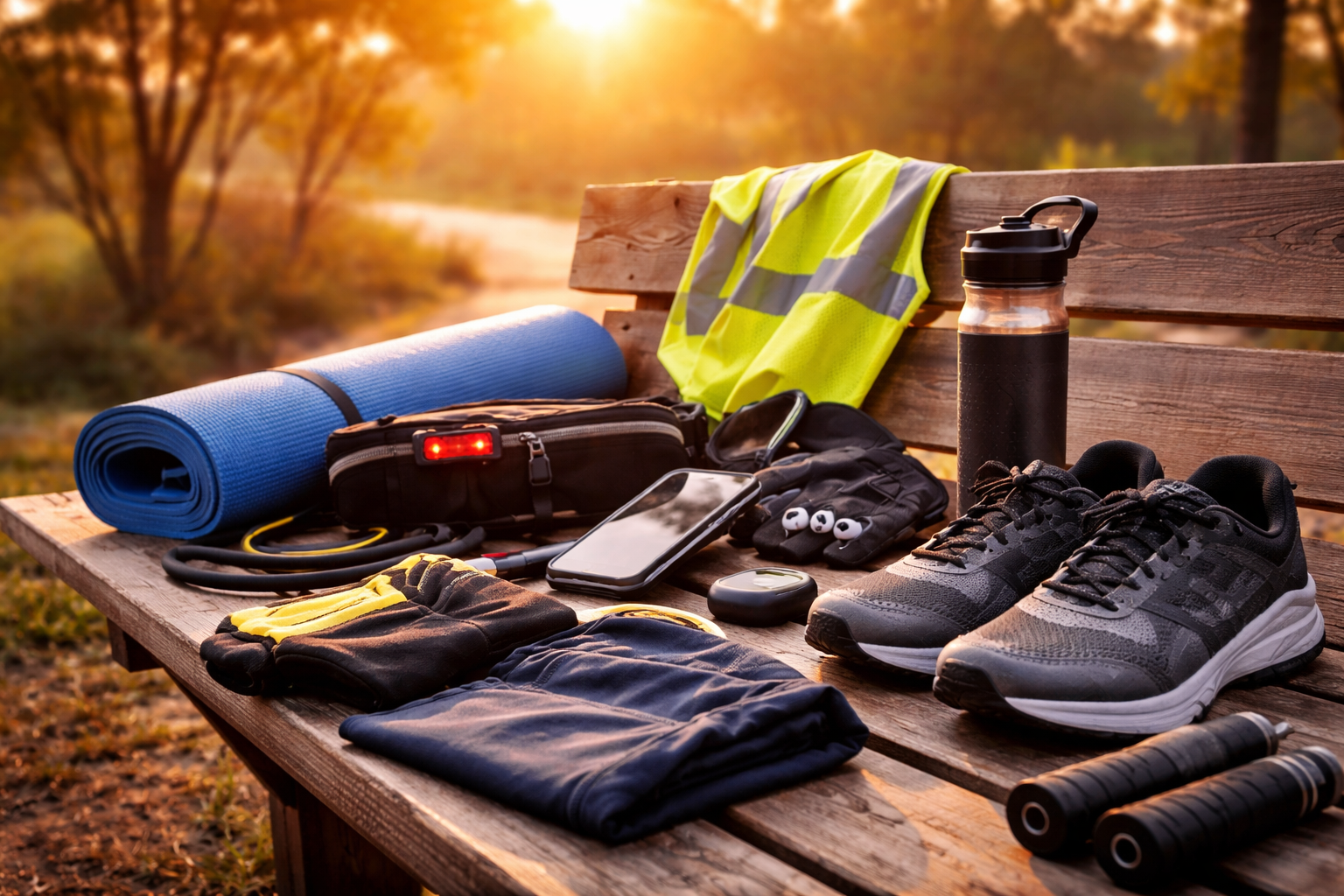
Early morning workouts offer a powerful way to start the day. The air feels fresh, distractions are minimal, and energy levels can rise quickly with the right routine. However, training at dawn also presents unique challenges. Lower temperatures, reduced visibility, and stiff muscles all require thoughtful preparation.
The right sports gear can make early morning workouts safer, more comfortable, and more effective. Choosing proper equipment helps regulate body temperature, improve mobility, and maintain performance from the very first rep.
Let’s explore the best sports gear for early morning workouts and how each item supports your training.
Why Early Morning Workouts Require Special Gear
Morning workouts differ from daytime or evening sessions.
During early hours:
- Temperatures are often lower
- Muscles are less flexible
- Lighting conditions are limited
- Body hydration levels are lower
These factors increase the risk of discomfort and injury.
The right gear helps address these challenges by supporting warmth, visibility, and movement efficiency.
Layered Athletic Clothing for Temperature Control
Layering is one of the most important strategies for early workouts.
Instead of wearing one heavy garment, athletes should wear multiple lightweight layers that can be adjusted during training.
Base Layer
The base layer sits closest to the skin. It should be made of moisture-wicking material to keep sweat away from the body.
Benefits include:
- Improved temperature regulation
- Reduced skin irritation
- Better comfort during movement
Avoid cotton because it retains moisture and can make you feel colder.
Mid Layer
The mid layer provides insulation.
Common options include:
- Lightweight fleece
- Long-sleeve performance shirts
- Thermal athletic tops
This layer helps retain body heat without restricting movement.
Outer Layer
The outer layer protects against wind and light rain.
Look for:
- Breathable jackets
- Wind-resistant materials
- Lightweight construction
This layer is especially important for outdoor runners and cyclists.
Proper Footwear for Cold and Damp Conditions
Footwear is critical during early morning workouts.
Morning conditions often include dew, moisture, or uneven surfaces.
Shoes should offer:
- Strong traction
- Water-resistant materials
- Adequate cushioning
- Proper arch support
Wet surfaces can increase slipping risk, so grip becomes essential.
Athletes should also ensure their shoes are not worn out. Old footwear can reduce stability and performance. If you want to understand this further, explore Can wearing old sports gear reduce performance? to see how gear condition impacts results.
Moisture-Wicking Socks
Socks may seem like a small detail, but they play a major role in comfort.
High-quality athletic socks help:
- Prevent blisters
- Keep feet dry
- Improve circulation
- Enhance overall comfort
In cold mornings, slightly thicker socks may provide additional warmth without sacrificing breathability.
Reflective and Visibility Gear
Low light is one of the biggest challenges during early workouts.
Athletes should prioritize visibility to stay safe, especially when training outdoors.
Essential visibility gear includes:
- Reflective vests
- LED armbands
- Bright-colored clothing
- Headlamps or clip-on lights
These items help others see you, reducing the risk of accidents.
Visibility gear is especially important for runners and cyclists who train near roads.
Headwear for Temperature Regulation
The head plays a significant role in body temperature control.
In cooler conditions, wearing a lightweight beanie or headband helps retain heat.
Benefits include:
- Reduced heat loss
- Improved comfort
- Protection from wind
In warmer climates, a breathable cap can help manage sweat and shield the eyes from sunlight as the day begins.
Gloves for Cold Weather Training
Hands are often the first body parts to feel cold.
Training with cold hands can reduce grip strength and overall comfort.
Lightweight athletic gloves help:
- Maintain warmth
- Improve grip
- Enhance comfort during workouts
For activities like running, cycling, or outdoor strength training, gloves can make a noticeable difference.
Hydration Gear for Morning Sessions
Hydration is often overlooked during early workouts.
After sleeping, the body is naturally dehydrated.
Hydration gear such as:
- Water bottles
- Hydration belts
- Lightweight hydration packs
helps maintain performance and prevent fatigue.
Even short workouts benefit from proper hydration.
Compression Gear for Muscle Activation
Morning workouts often start with stiff muscles.
Compression gear can help improve circulation and support muscle activation.
Common options include:
- Compression leggings
- Arm sleeves
- Compression socks
These garments may reduce muscle vibration and improve blood flow.
This helps athletes warm up more efficiently and reduce discomfort.
Smart Wearables for Performance Tracking
Technology plays a growing role in athletic performance.
Smart wearables provide valuable data during early workouts.
Popular devices track:
- Heart rate
- Distance
- Pace
- Sleep quality
- Recovery levels
This information helps athletes adjust intensity and avoid overtraining.
Morning workouts benefit from this feedback because the body is transitioning from rest to activity.
Stretching and Recovery Tools
Preparation is key for early workouts.
Before starting, athletes should use tools that support mobility and flexibility.
Helpful items include:
- Resistance bands
- Foam rollers
- Stretching straps
These tools help loosen muscles and improve range of motion.
Starting workouts with proper mobility reduces injury risk.
Lightweight Backpacks and Storage
Some athletes prefer carrying essentials during workouts.
Lightweight backpacks or running belts provide storage for:
- Phones
- Keys
- Water
- Energy snacks
These accessories should be compact and comfortable to avoid interfering with movement.
Weather-Specific Gear
Weather conditions vary depending on location and season.
Athletes should adjust gear based on:
- Temperature
- Wind conditions
- Rain or humidity
For colder climates, thermal layers and insulated gear are essential.
For warmer climates, breathable fabrics and minimal layers are more appropriate.
Adapting to weather ensures consistent performance.
Comfort Equals Consistency
The right gear doesn’t just improve performance—it encourages consistency.
When workouts feel comfortable:
- Motivation increases
- Focus improves
- Fatigue decreases
Discomfort, on the other hand, can discourage early training habits.
Athletes who invest in proper gear are more likely to maintain regular routines.
Common Mistakes to Avoid
Even experienced athletes make mistakes when preparing for morning workouts.
Avoid these common issues:
- Wearing too many layers
- Ignoring visibility
- Using worn-out gear
- Skipping warm-ups
- Neglecting hydration
Balancing comfort and functionality is key.
Building the Ideal Morning Workout Kit
A complete early morning workout kit may include:
- Moisture-wicking base layer
- Lightweight jacket
- Proper footwear
- Compression gear
- Reflective accessories
- Hydration equipment
This combination supports performance, safety, and comfort.
Athletes should adjust their kit based on personal preferences and environmental conditions.
Final Thoughts
So, what sports gear is best for early morning workouts?
The answer lies in preparation and balance. The right combination of layered clothing, supportive footwear, visibility gear, and recovery tools creates a strong foundation for success.
Early workouts present unique challenges, but proper gear transforms those challenges into opportunities.
When athletes feel comfortable, safe, and prepared, they perform better and stay consistent.
Investing in the right sports gear is not just about convenience—it’s about maximizing every workout and starting each day strong.