
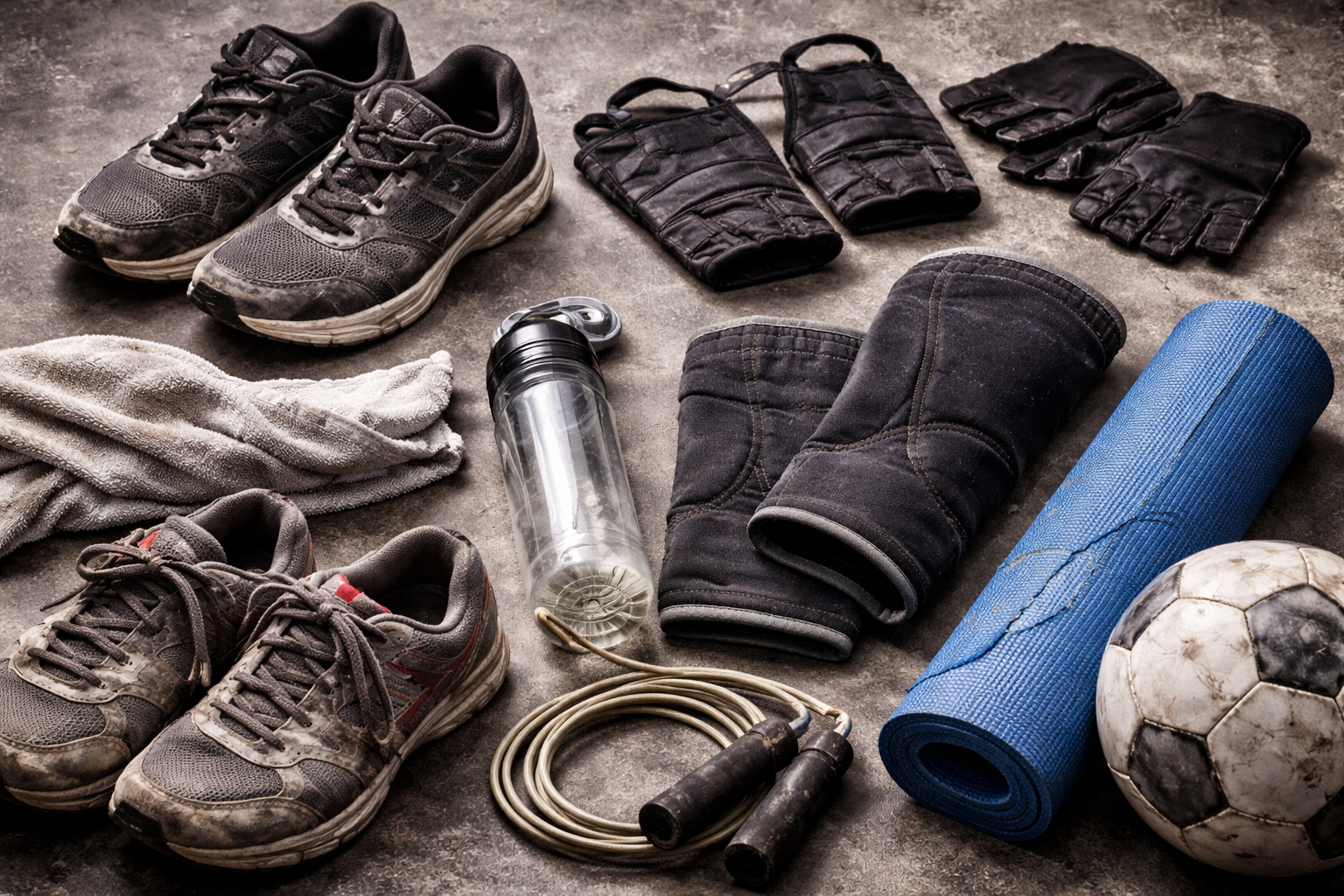
Yes, wearing old sports gear can reduce performance—sometimes significantly. As sports equipment ages, its materials break down, support weakens, and performance features degrade. Even if gear looks usable, it may no longer function the way it was originally designed.
Athletes often underestimate how much their gear contributes to performance. However, worn-out equipment can affect comfort, stability, movement efficiency, and even injury risk.
Understanding how aging gear impacts performance helps athletes make smarter decisions about when to replace equipment.
How Sports Gear Degrades Over Time
Sports gear is designed to handle stress, but it is not indestructible. Repeated use gradually weakens materials and reduces performance capabilities.
Common causes of degradation include:
- Repeated impact and compression
- Sweat exposure and moisture buildup
- Friction from movement
- UV exposure and environmental wear
- Washing and drying cycles
Each of these factors slowly alters the structure of the gear.
For example, foam cushioning in shoes compresses over time. Elastic fibers in clothing lose stretch. Protective padding becomes less effective.
Even high-end gear eventually loses its original performance characteristics.
The Hidden Problem: Performance Loss Without Visible Damage
One of the biggest issues with old sports gear is that performance loss is often invisible.
A shoe may still look intact on the outside, but its internal cushioning may be flattened. Compression sleeves may still feel tight, but their elasticity may have weakened.
This creates a dangerous situation where athletes continue using gear that no longer supports them properly.
Performance decline often happens gradually, making it harder to notice until discomfort or injury appears.
Footwear: The Most Critical Factor
Footwear is the most important piece of sports gear when it comes to performance.
Running shoes, for example, are designed to absorb impact and return energy. Over time, the midsole foam compresses and loses its ability to cushion each step.
When this happens:
- Impact forces increase
- Joint stress rises
- Energy return decreases
- Running efficiency drops
Athletes may experience fatigue faster and notice reduced speed or endurance.
In sports like basketball or tennis, worn-out shoes also lose traction. This increases the risk of slipping and reduces agility.
Replacing shoes at the right time is essential for maintaining performance.
Apparel: More Than Just Comfort
Athletic clothing plays a bigger role in performance than many people realize.
Modern sports apparel is engineered with features such as:
- Moisture-wicking fabrics
- Breathability
- Compression support
- Temperature regulation
Over time, these features degrade.
Old clothing may:
- Retain sweat instead of wicking it away
- Lose elasticity
- Feel heavier during workouts
- Restrict movement
This can lead to overheating, discomfort, and reduced endurance.
Even slight discomfort can distract athletes and affect focus during training or competition.
Protective Gear and Safety Risks
Old protective gear presents a serious risk.
Helmets, pads, and guards are designed to absorb impact and protect the body. However, materials used in these products degrade over time.
For example:
- Helmet foam may harden or weaken
- Padding may compress and lose shock absorption
- Straps and fasteners may loosen
Using outdated protective gear increases the risk of injury, even during routine training sessions.
Athletes should regularly inspect protective equipment and replace it when necessary.
Reduced Stability and Balance
As sports gear ages, it may lose structural integrity.
Shoes may lose arch support. Braces may loosen. Compression garments may provide uneven pressure.
These changes affect balance and stability.
Poor stability forces the body to compensate, which can lead to inefficient movement patterns.
Over time, this increases strain on muscles and joints.
Reduced stability doesn’t just impact performance—it also increases injury risk.
The Impact on Speed and Agility
Speed and agility depend on efficient movement.
Old gear can slow athletes down in subtle ways:
- Heavier, sweat-soaked clothing adds resistance
- Worn shoe soles reduce grip
- Loose gear shifts during movement
These small inefficiencies accumulate during performance.
In competitive environments, even minor delays in reaction time or movement speed can make a significant difference.
Athletes aiming for peak performance should minimize these inefficiencies.
The Psychological Effect of Old Gear
Performance is not just physical—it is also mental.
Wearing old, worn-out gear can affect confidence.
Athletes may feel:
- Less prepared
- Less professional
- Less motivated
Confidence influences effort, focus, and decision-making.
On the other hand, wearing well-fitted, high-quality gear can create a sense of readiness.
This psychological boost can positively influence performance.
Increased Injury Risk
One of the most important reasons to replace old sports gear is injury prevention.
Worn-out gear increases the likelihood of:
- Joint strain
- Muscle fatigue
- Overuse injuries
- Slips and falls
For example, running in worn shoes can increase stress on knees and ankles. Using old lifting gloves may reduce grip strength, increasing the risk of dropping weights.
Athletes who ignore gear degradation often experience injuries that could have been prevented.
Sweat, Weight, and Material Breakdown
Old sports gear often handles sweat less effectively.
As fabrics age, they lose their ability to wick moisture and dry quickly.
This leads to:
- Increased garment weight during workouts
- Skin irritation
- Reduced airflow
- Higher fatigue levels
Moisture buildup also accelerates material breakdown, further reducing performance over time.
When Should You Replace Sports Gear?
There is no universal timeline for replacing sports gear. However, there are clear warning signs.
Replace gear when you notice:
- Reduced comfort
- Loss of support
- Visible wear or damage
- Persistent odor
- Decreased performance
Athletes should pay attention to how their gear feels during activity.
If something feels “off,” it may be time for a replacement.
Does Expensive Gear Last Longer?
Higher-quality gear often lasts longer due to better materials and construction.
However, even premium gear has a lifespan.
Durability depends on:
- Frequency of use
- Intensity of activity
- Maintenance habits
While expensive gear may maintain performance longer, it still needs to be replaced eventually.
Athletes should focus on performance quality rather than price alone.
Maintenance Can Extend Lifespan
Proper care can slow down gear degradation.
Simple maintenance tips include:
- Air-drying gear after use
- Washing with mild detergents
- Avoiding high heat
- Storing gear in dry environments
Taking care of sports gear helps preserve its performance features for longer.
However, maintenance cannot fully prevent aging.
Eventually, all gear reaches the end of its usable life.
Performance vs. Habit
Many athletes continue using old gear out of habit.
They may feel comfortable with familiar equipment, even if it no longer performs well.
This habit can hold them back.
Upgrading gear can reveal performance improvements that were previously limited by worn equipment.
Athletes should periodically evaluate whether their gear is helping or hindering their progress.
The Role of Training and Equipment Together
Sports gear supports performance, but it does not replace training.
Athletes should combine:
- Proper equipment
- Smart training programs
- Adequate recovery
- Good technique
For example, some athletes enhance training intensity by adding resistance. If you want to understand how this works, explore Why do some athletes train with weighted gear? to learn how resistance training improves strength and endurance.
Balancing gear and training leads to the best results.
Final Thoughts
So, can wearing old sports gear reduce performance?
Absolutely.
As gear ages, it loses its ability to support, protect, and enhance movement. This leads to decreased efficiency, increased fatigue, and higher injury risk.
Athletes who want to perform at their best should regularly evaluate and replace their gear when necessary.
High-quality sports gear is an investment in performance, safety, and long-term progress.
Don’t let outdated equipment hold you back from reaching your full potential.