
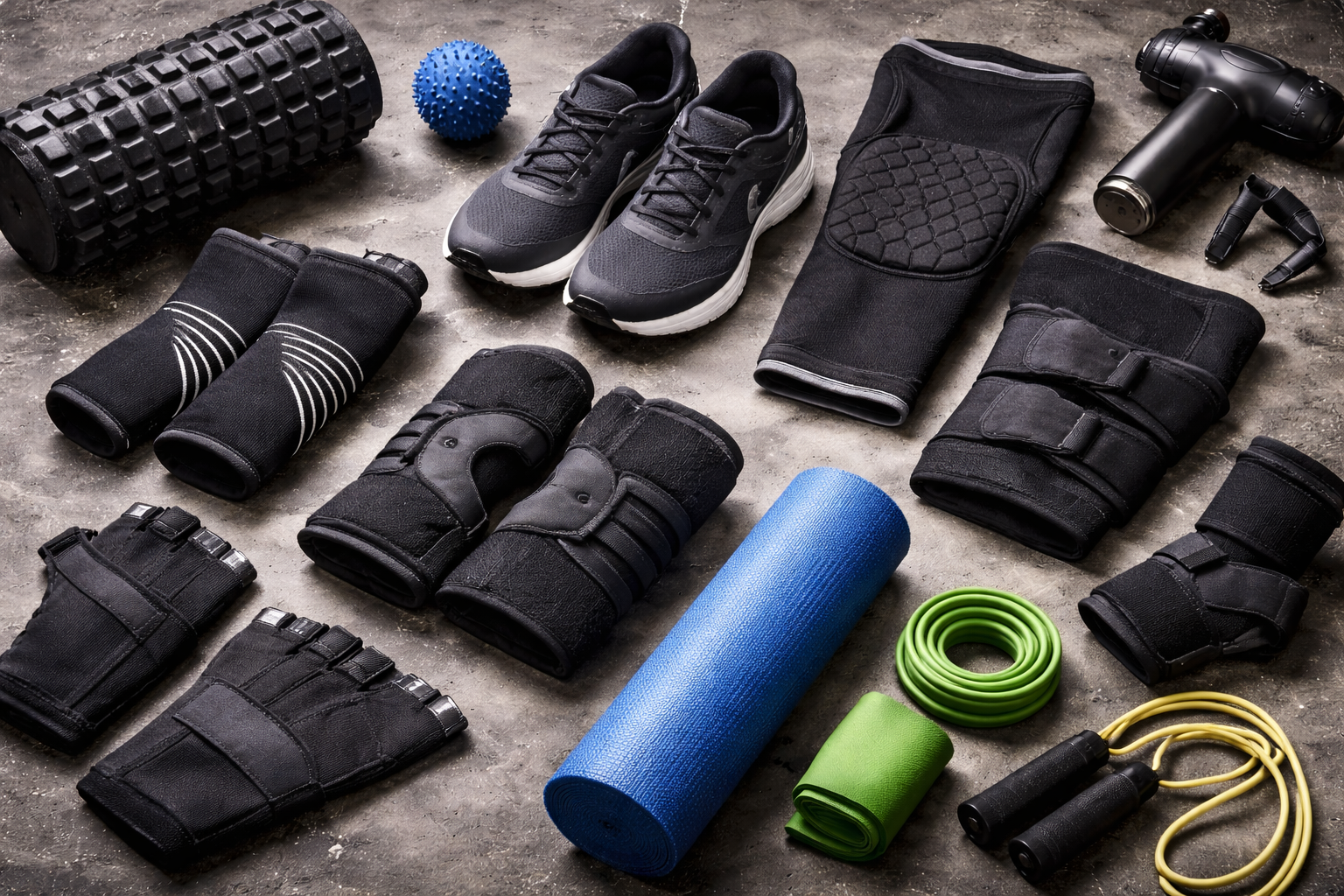
Overtraining injuries are one of the most common setbacks athletes face. When the body experiences repetitive stress without enough recovery, muscles, tendons, and joints begin to break down. This can lead to conditions such as stress fractures, tendonitis, muscle strains, and chronic fatigue.
Fortunately, the right sports gear can help reduce injury risk by improving support, stability, recovery, and movement efficiency. While no equipment can completely prevent overtraining injuries, certain gear plays a significant role in protecting the body during intense training.
Understanding which sports gear offers the most protection can help athletes train smarter and stay active longer.
Understanding Overtraining Injuries
Before discussing gear, it helps to understand what overtraining injuries are.
Overtraining injuries occur when physical stress accumulates faster than the body can repair itself. These injuries often develop gradually rather than from a single traumatic event.
Common examples include:
- Shin splints
- Tendonitis
- Stress fractures
- Muscle strains
- Joint inflammation
- Chronic fatigue syndrome
Athletes who train frequently without proper recovery are especially vulnerable.
Proper sports gear helps reduce impact, support joints, and improve biomechanics during training sessions.
High-Quality Athletic Footwear
Footwear is arguably the most important piece of injury-prevention gear.
Poor footwear contributes to many overuse injuries because it affects how force travels through the body during movement.
Proper athletic shoes provide:
- Shock absorption
- Arch support
- Stability
- Traction
- Cushioning
For runners, quality shoes reduce repetitive impact on knees and ankles. Basketball players benefit from ankle support and lateral stability. Soccer players rely on cleats that enhance traction and prevent slipping injuries.
Shoes that fit correctly also help maintain natural foot alignment, reducing unnecessary strain on joints.
Athletes should replace worn shoes regularly because cushioning and structural support degrade over time.
Compression Clothing
Compression gear has become increasingly popular among athletes and fitness enthusiasts.
Compression garments include:
- Compression socks
- Arm sleeves
- Compression shorts
- Full-body compression suits
These garments apply gentle pressure to muscles, which may improve circulation during and after exercise.
Potential benefits include:
- Reduced muscle vibration
- Improved blood flow
- Enhanced recovery
- Reduced swelling
Muscle vibration during intense activity contributes to fatigue and microtrauma. Compression fabrics help stabilize muscles and reduce these vibrations.
While compression clothing cannot eliminate injury risk, it may reduce muscle fatigue during prolonged training.
Knee Braces and Support Sleeves
The knee joint absorbs significant stress in many sports, especially those involving running, jumping, or rapid direction changes.
Knee braces and sleeves help stabilize the joint by providing additional support around ligaments and tendons.
Athletes commonly use knee supports during activities such as:
- Basketball
- Volleyball
- Weightlifting
- Soccer
- Trail running
Knee sleeves also provide warmth and compression, which may improve joint awareness and stability.
This increased joint awareness—called proprioception—helps athletes maintain proper movement mechanics.
Maintaining correct movement patterns reduces injury risk during intense training.
Ankle Supports
Ankle injuries are extremely common in sports that involve quick directional changes.
Athletes frequently use ankle braces or taping techniques to reinforce joint stability.
Ankle supports can help:
- Prevent excessive rolling of the ankle
- Improve joint stability
- Reduce risk of ligament strain
- Provide confidence during movement
For athletes recovering from previous ankle injuries, braces can be especially helpful.
However, they should complement proper strength training rather than replace it.
Protective Headgear and Mouthguards
While protective headgear is often associated with contact sports, it also plays an important role in preventing cumulative injury.
Sports such as boxing, football, martial arts, and hockey require head protection to reduce concussion risk.
Mouthguards also absorb shock during impact and protect teeth and jaw structures.
Repeated impacts during training sessions can contribute to long-term neurological stress. Proper protective gear reduces this risk.
Athletes in contact sports should never overlook protective equipment.
Recovery Tools and Equipment
Preventing overtraining injuries involves more than protection during activity. Recovery gear also plays a major role.
Popular recovery tools include:
- Foam rollers
- Massage guns
- Resistance bands
- Stretching straps
- Recovery boots
Foam rollers help release tight muscles and fascia through self-myofascial release techniques.
Massage guns provide targeted percussion therapy that stimulates circulation and reduces muscle tension.
These tools promote faster recovery between workouts, allowing athletes to train consistently without excessive strain.
Weightlifting Belts and Support Gear
Athletes who perform strength training often use lifting belts to protect their lower back during heavy lifts.
Lifting belts provide support by increasing intra-abdominal pressure, which stabilizes the spine during exercises such as:
- Squats
- Deadlifts
- Overhead presses
When used properly, belts can help reduce stress on spinal structures during heavy loads.
Other supportive gear used in strength training includes:
- Wrist wraps
- Lifting straps
- Elbow sleeves
These tools reinforce joints and reduce strain during high-intensity lifting.
Smart Wearable Technology
Modern sports gear now includes wearable technology designed to monitor training stress.
Devices such as fitness trackers and heart rate monitors help athletes track metrics including:
- Heart rate variability
- Sleep quality
- Training load
- Recovery status
Monitoring these metrics helps athletes avoid pushing their bodies beyond safe limits.
Wearable devices provide data-driven insights that help athletes adjust training intensity before injuries develop.
Proper Athletic Apparel
Clothing may seem like a minor factor, but it plays an important role in injury prevention.
Technical athletic fabrics help regulate body temperature and moisture during workouts.
Features such as moisture-wicking materials and breathable mesh panels reduce overheating and discomfort.
When the body overheats or becomes excessively fatigued, injury risk increases.
Proper apparel allows athletes to maintain consistent performance during longer training sessions.
Many athletes also choose gear designed specifically for their sport to support natural movement patterns.
Some athletes also wonder whether premium equipment actually improves safety and performance. For deeper insight into that topic, explore Does expensive sports gear really improve results? to understand how gear quality influences athletic outcomes.
The Importance of Proper Fit
Even the best sports gear cannot protect athletes if it does not fit correctly.
Poorly fitted equipment may cause:
- Uneven pressure points
- Restricted movement
- Poor joint alignment
- Reduced circulation
Athletes should always prioritize proper fit when selecting gear.
Trying equipment before purchasing, consulting coaches, and reading manufacturer sizing guidelines can help ensure proper selection.
Correctly fitted gear enhances both comfort and safety.
Training Technique Still Matters
Sports gear is only one component of injury prevention.
Athletes should also focus on:
- Proper training techniques
- Gradual progression in intensity
- Adequate rest and recovery
- Balanced strength and mobility programs
Even the best equipment cannot compensate for poor technique or excessive training loads.
Coaches and trainers often emphasize the importance of listening to the body’s warning signals.
Pain, fatigue, and decreased performance may indicate the need for recovery.
How Professional Athletes Use Protective Gear
Elite athletes rely heavily on specialized gear to stay healthy during demanding training schedules.
Professional sports teams invest in equipment that supports athlete health and longevity.
Examples include:
- Custom-fitted footwear
- Advanced compression garments
- Biomechanical support braces
- Recovery technology
Sports medicine teams regularly evaluate gear effectiveness to ensure it meets safety standards.
These strategies help elite athletes maintain peak performance while minimizing injury risk.
Final Thoughts
Overtraining injuries can derail even the most dedicated athletes. However, the right sports gear can play an important role in reducing risk and protecting the body during intense training.
Footwear, compression clothing, joint supports, recovery tools, and protective equipment all contribute to safer athletic performance.
Athletes who combine high-quality gear with smart training strategies and proper recovery habits place themselves in the best position to avoid injuries and achieve long-term success.
Ultimately, injury prevention requires a balanced approach. Equipment provides support, but awareness, preparation, and disciplined training remain the foundation of sustainable athletic performance.