
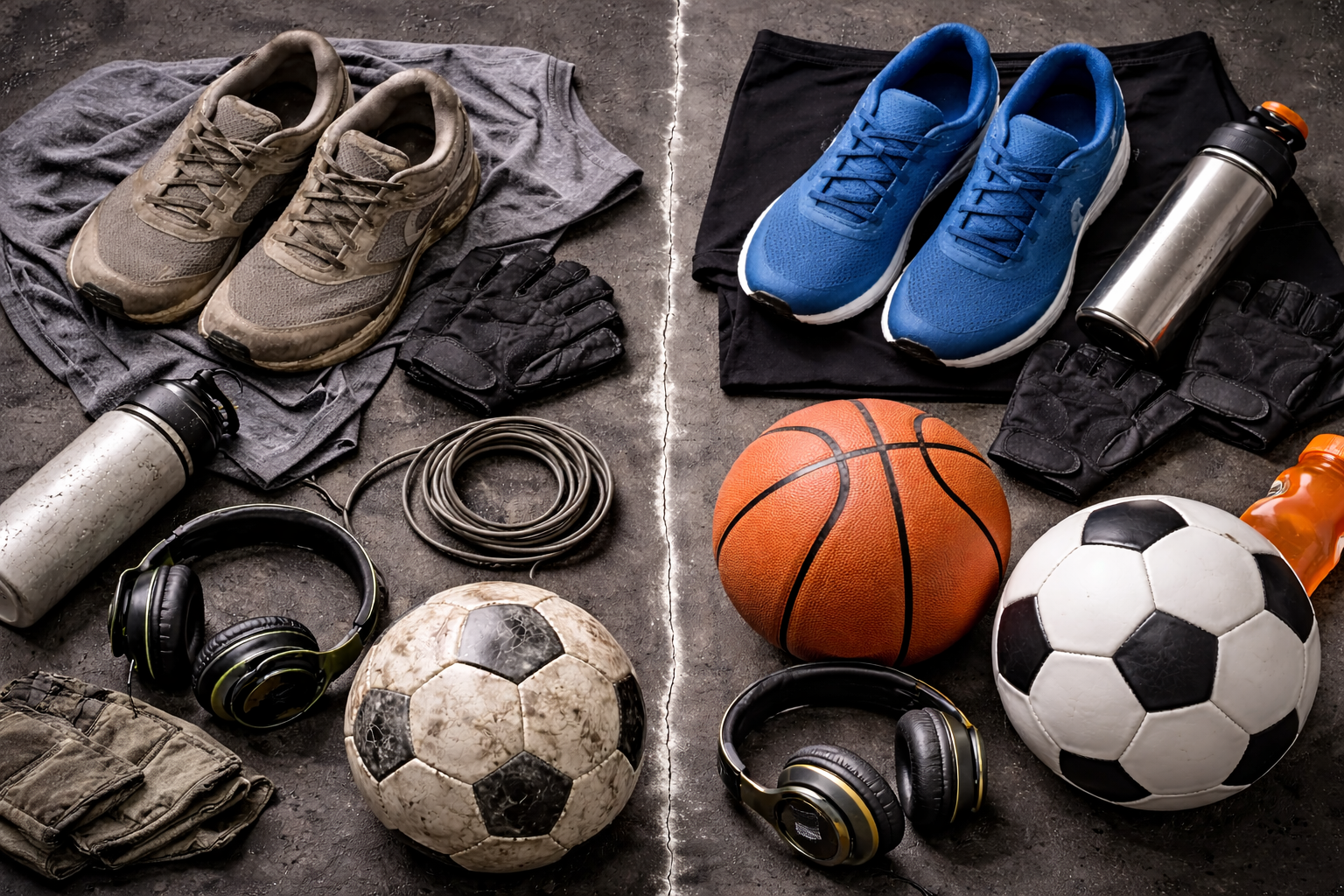
Short answer: sometimes yes—but not always.
Expensive sports gear can improve results when it enhances biomechanics, safety, durability, or comfort. However, high price alone does not guarantee better performance. The real difference lies in engineering, fit, sport specificity, and how the athlete uses the gear.
Marketing often suggests premium gear equals elite performance. The truth is more nuanced. Let’s break down what actually improves results—and what simply improves aesthetics.
The Difference Between Cost and Value
Before diving into performance, it’s important to distinguish price from value.
- Price is what you pay.
- Value is what you gain.
Expensive gear may cost more upfront, but it can provide:
- Longer durability
- Better injury prevention
- Improved comfort
- Advanced material technology
- Precision engineering
However, if those features don’t align with your sport or skill level, the benefit shrinks.
A $300 running shoe won’t make a beginner outrun a trained athlete in standard trainers.
Skill still dominates equipment.
When Expensive Gear Truly Improves Performance
There are situations where higher-end sports gear offers measurable performance advantages.
1. Footwear Technology
Modern premium running shoes include:
- Carbon fiber plates
- Energy-return foam
- Advanced cushioning systems
- Lightweight mesh uppers
Studies show that certain carbon-plated shoes can improve running economy by up to 4%. That margin matters in competitive races.
For recreational runners, however, comfort and fit matter more than marginal speed gains.
2. Safety and Protection
In contact sports, expensive gear often includes:
- Multi-layer impact absorption
- Reinforced stitching
- Shock-dispersing materials
- Improved structural design
Higher-quality helmets, shin guards, and gloves can reduce injury risk significantly.
Safety is not the area to cut corners.
3. Durability and Longevity
Cheaper gear may require replacement every few months. Premium materials may last significantly longer.
Over time, durability reduces long-term costs.
If a $150 jacket lasts five seasons while a $60 jacket lasts one, the value becomes clear.
When Expensive Gear Does NOT Improve Results
High cost doesn’t automatically equal better performance.
1. Beginner Level Training
New athletes often benefit more from:
- Coaching
- Technique correction
- Conditioning
- Consistency
Upgrading equipment without upgrading fundamentals yields minimal gains.
2. Psychological Placebo Effect
Sometimes improvement comes from confidence, not material science.
If you believe your expensive gear enhances performance, you may train harder. That belief can boost output.
However, the gear itself isn’t responsible—your mindset is.
Interestingly, perception plays a major role in sports psychology. If you’re curious about how visual elements influence athletic mindset, explore Can the color of sports gear affect athletic performance? for deeper insights into psychological factors that shape results.
Research-Based Evidence on Equipment Performance
Sports science research consistently shows:
- Properly fitted footwear reduces injury risk.
- Moisture-wicking fabrics improve comfort during endurance training.
- Lightweight gear reduces energy expenditure slightly.
However, beyond these measurable improvements, diminishing returns set in quickly.
For example:
- A high-end tennis racket may provide better vibration dampening.
- But technique determines shot accuracy more than material composition.
Elite athletes benefit from marginal gains. Recreational athletes benefit more from fundamentals.
The Marginal Gains Theory
In professional sports, tiny improvements matter.
A 1% performance boost can determine podium placement in elite competitions.
Premium gear often targets those small advantages.
However, for most athletes:
- Sleep
- Nutrition
- Recovery
- Strength training
Provide far greater performance returns than expensive apparel.
Gear should support training—not replace it.
Comfort as a Performance Multiplier
Comfort may be the most overlooked performance enhancer.
Ill-fitting gear causes:
- Blisters
- Restricted movement
- Distraction
- Poor biomechanics
Premium brands often invest in ergonomic design, seam placement, and material testing.
If expensive gear improves comfort significantly, performance may improve indirectly.
Comfort enhances focus. Focus enhances output.
Injury Prevention: The Hidden Advantage
Injury prevention is where quality matters most.
Cheaper gear may lack:
- Adequate padding
- Impact distribution
- Structural reinforcement
- Stable support systems
For runners, poor shoe support can contribute to:
- Shin splints
- Plantar fasciitis
- Knee pain
For boxers, low-quality gloves may reduce wrist stability.
Reducing injury risk extends training consistency.
Consistency drives results.
Durability vs. Disposable Culture
Fast-fashion sportswear often sacrifices durability for affordability.
Premium gear often includes:
- Stronger seam construction
- Better moisture resistance
- Reinforced high-friction areas
If your gear maintains performance longer, it protects long-term athletic progress.
Replacing gear frequently may cost more than investing once.
The Confidence Factor
Athletes frequently report feeling more prepared in high-quality gear.
Confidence influences:
- Reaction time
- Aggression control
- Decision-making
- Risk-taking
Even if performance gains are psychological, they still matter.
Confidence can elevate effort and resilience.
However, relying solely on brand prestige without developing skill creates imbalance.
Marketing vs. Engineering
Premium gear brands invest heavily in marketing. But they also invest in research and development.
Before assuming high price equals high quality, look for:
- Material transparency
- Performance testing data
- Independent reviews
- Sport-specific certifications
Avoid paying for logos instead of functionality.
Brand reputation should align with material performance.
How to Determine If Expensive Gear Is Worth It
Ask these practical questions:
- Does this gear solve a specific problem?
- Does it enhance safety?
- Does it improve durability?
- Does it fit better than alternatives?
- Is the material performance verified?
If the answer is yes, the price may justify the value.
If not, consider mid-range alternatives.
The Skill-to-Gear Ratio
For beginners and intermediates:
Skill development contributes more to performance than equipment upgrades.
For advanced athletes:
Equipment optimization can refine already strong fundamentals.
Your level determines your return on gear investment.
Real-World Examples
Running
High-end shoes improve economy slightly. But consistent training improves performance dramatically.
Golf
Premium clubs may improve forgiveness. But swing mechanics determine distance and accuracy.
Basketball
Signature sneakers enhance cushioning. But footwork and conditioning dominate outcomes.
Gear supports ability—it doesn’t replace it.
Financial Considerations
Athletes on tight budgets should prioritize:
- Proper fit
- Safety features
- Durability
Luxury features come last.
High-performance doesn’t require luxury spending.
Smart spending yields better returns than emotional purchases.
Final Verdict
Does expensive sports gear really improve results?
Sometimes—when it enhances safety, biomechanics, durability, or comfort.
But expensive gear alone cannot substitute for training, skill, or discipline.
Elite athletes use premium equipment to refine performance. Recreational athletes benefit more from fundamentals.
Invest wisely. Upgrade strategically. Train consistently.
Gear should enhance your performance—not define it.