
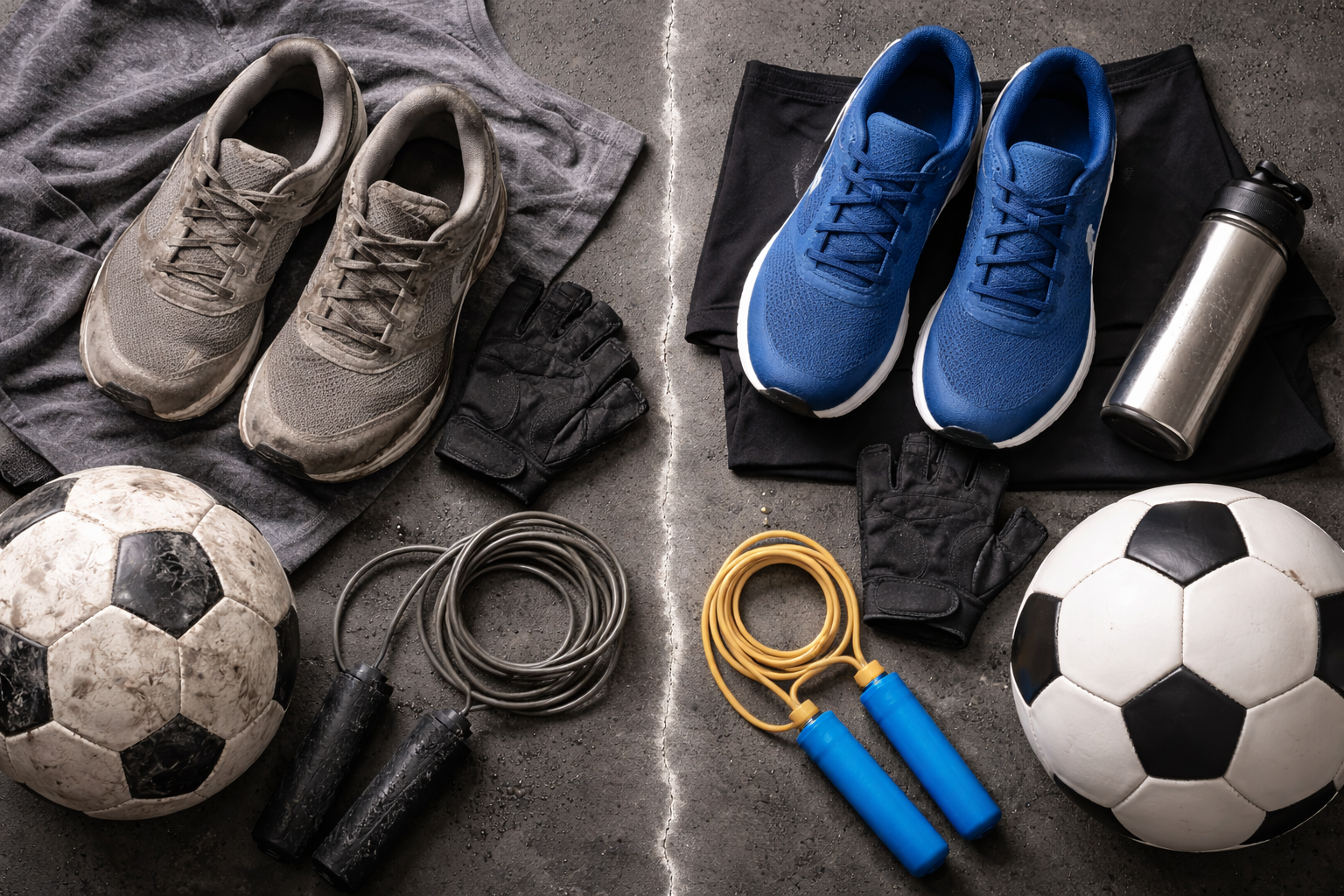
High-performance sports gear should last anywhere from six months to five years, depending on usage frequency, material quality, maintenance habits, and sport intensity. Footwear typically wears out fastest, while durable equipment like helmets or weightlifting gear can last several years with proper care.
However, lifespan is not just about time—it’s about performance integrity. Sports gear should be replaced when it no longer performs as designed, even if it still “looks fine.”
Understanding true longevity helps athletes protect performance, reduce injury risk, and maximize value from every purchase.
Let’s break it down by category and performance factors.
What Determines the Lifespan of Sports Gear?
High-performance gear is engineered for stress. But even the best materials degrade over time.
The lifespan depends on five major factors:
- Frequency of use
- Intensity of activity
- Fabric or material quality
- Environmental exposure
- Maintenance habits
An elite marathon runner will replace shoes far more often than a casual gym user. A soccer player training daily will wear through cleats faster than a weekend league participant.
Usage volume matters more than calendar age.
Footwear: The Fastest to Wear Out
Performance footwear experiences constant impact. It absorbs force with every step.
Running Shoes
Most running shoes last 300–500 miles. For high-mileage runners, that may be three to six months.
Signs it’s time to replace:
- Flattened midsoles
- Reduced cushioning
- Uneven tread wear
- New joint discomfort
Even if the exterior looks intact, internal foam compression reduces shock absorption.
Court and Field Shoes
Basketball, soccer, and tennis shoes typically last 6–12 months with regular play.
Outdoor surfaces wear soles faster than indoor courts.
Once traction decreases, performance and safety decline.
Apparel: Fabric Breakdown Over Time
High-performance apparel often lasts 1–3 years, depending on frequency.
Technical fabrics are designed to wick moisture, stretch, and regulate heat. However, sweat, friction, and washing cycles gradually weaken fibers.
Common issues include:
- Loss of elasticity
- Persistent odor retention
- Thinning fabric
- Reduced compression
Sweat chemistry plays a major role. For example, repeated moisture exposure affects weight and performance characteristics. If you’re curious about the science behind moisture impact, explore Why does some sports gear feel heavier after sweating? for deeper insight into how sweat alters material behavior.
When gear stops performing as engineered, replacement becomes necessary.
Protective Equipment: Safety First
Helmets, pads, and guards demand special attention.
Helmets
Helmets typically last 3–5 years, but they should be replaced immediately after significant impact.
Even small cracks compromise structural integrity.
Manufacturers often print expiration guidance inside helmets due to material aging and foam degradation.
Pads and Guards
Knee pads, shin guards, and mouthguards generally last 1–3 years, depending on intensity.
Padding loses shock absorption capacity over time.
If compression foam no longer rebounds quickly, performance protection declines.
Strength Training Equipment
Weightlifting belts, wraps, and gloves are relatively durable.
- Lifting belts: 3–5 years
- Wrist wraps: 1–3 years
- Gloves: 6–12 months
Leather belts last longer than synthetic versions. Frequent washing reduces glove lifespan significantly.
Metal and steel equipment, like barbells and plates, can last decades with maintenance.
However, grip coatings and knurling may wear with heavy use.
Outdoor Gear and Environmental Impact
Outdoor athletes face harsher conditions.
UV exposure, rain, saltwater, and extreme temperatures accelerate wear.
For example:
- Snowboarding jackets may last 3–5 seasons.
- Hiking backpacks may last 5–10 years.
- Climbing ropes must be replaced based on usage hours and fall exposure.
Environmental stress speeds degradation.
Saltwater corrodes metal fasteners. UV rays weaken fabric fibers.
Proper storage significantly extends lifespan.
How Maintenance Extends Longevity
Maintenance habits can double gear lifespan.
Follow these principles:
- Air-dry gear after workouts.
- Avoid excessive heat during washing.
- Use mild detergents.
- Store in dry, ventilated areas.
- Rotate gear to reduce overuse.
Overwashing technical apparel damages moisture-wicking properties.
Fabric softeners clog fiber channels.
Simple changes in care dramatically improve durability.
Signs It’s Time to Replace Gear
Age alone doesn’t determine replacement. Performance does.
Watch for these indicators:
- Decreased comfort
- Visible structural damage
- Reduced traction
- Persistent odor
- Joint pain after workouts
- Loss of elasticity
Athletes often push gear beyond safe limits to save money.
However, worn-out gear increases injury risk.
Replacing shoes early often costs less than treating shin splints or knee pain later.
Does Expensive Gear Last Longer?
Not always—but often.
Higher-end brands invest in:
- Stronger stitching
- Better foam compounds
- Reinforced stress points
- Advanced moisture technology
Premium materials generally maintain performance longer.
However, misuse can destroy expensive gear quickly.
Proper care matters more than price alone.
Usage Level Matters Most
Here’s a simple breakdown:
Casual Athletes
Gear may last 2–5 years depending on type.
Recreational Weekly Users
Expect replacement every 1–3 years.
Competitive Athletes
Replacement cycles may be 6–12 months for footwear and apparel.
Intensity accelerates wear.
The more you train, the shorter the lifespan.
Sweat, Friction, and Mechanical Stress
Three forces degrade sports gear:
- Moisture saturation
- Repetitive friction
- Impact compression
Sweat weakens fibers over time. Friction causes thinning. Impact flattens cushioning.
These forces compound over months of training.
That’s why even visually intact gear may lose performance integrity internally.
Why Ignoring Lifespan Hurts Performance
Worn gear creates subtle performance losses.
Examples:
- Flattened shoes increase fatigue.
- Loose compression reduces support.
- Old helmets compromise safety.
- Worn gloves reduce grip strength.
Athletes sometimes blame conditioning when gear degradation is the real issue.
Proper evaluation prevents unnecessary setbacks.
Building a Smart Replacement Schedule
Instead of guessing, track usage.
Keep notes on:
- Purchase dates
- Mileage logged
- Training frequency
- Visible wear
Many runners use tracking apps to monitor shoe mileage.
A proactive replacement plan prevents sudden failures.
Sustainable Considerations
Replacing gear responsibly matters.
Some brands now offer recycling programs for:
- Shoes
- Apparel
- Helmets
Donating lightly used gear supports community programs.
Choosing quality over quantity reduces waste long term.
Sustainability and performance can coexist.
Professional Recommendations
Athletic trainers consistently recommend replacing footwear before pain appears.
Sports medicine research shows that degraded cushioning increases injury risk.
Coaches often inspect athlete gear during competitive seasons.
Ignoring replacement timelines increases long-term health costs.
Preventative investment protects both performance and well-being.
Final Thoughts
So how long should high-performance sports gear actually last?
It depends on usage intensity, material quality, and maintenance habits. Footwear typically lasts months. Apparel lasts years. Protective gear demands careful inspection.
The key principle is simple:
Replace gear when performance declines—not when appearance fades.
High-performance equipment exists to enhance safety, efficiency, and results. Once those qualities diminish, it’s time for an upgrade.
Smart athletes evaluate gear proactively rather than reactively.
When your gear performs at its best, so do you.