
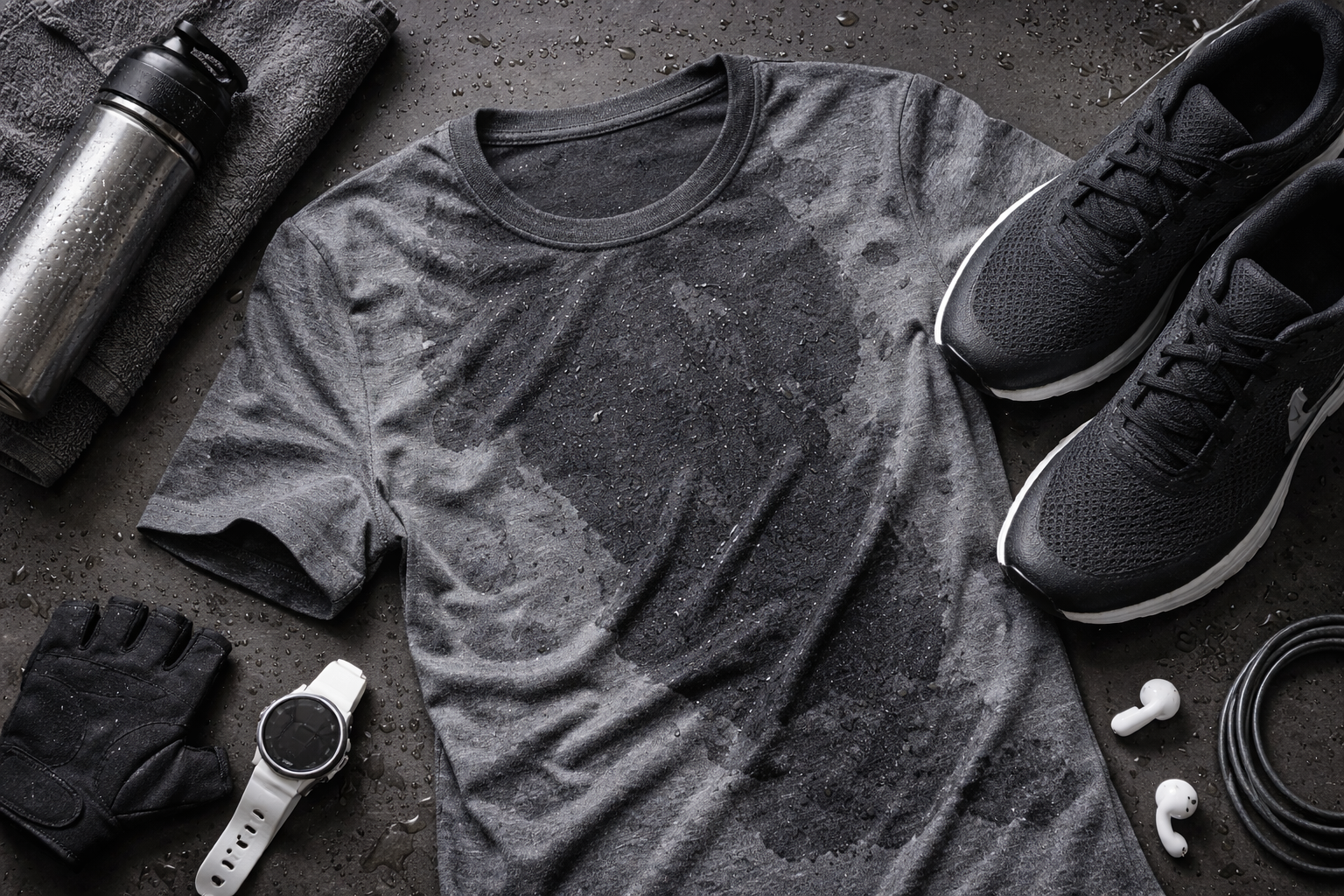
Have you ever started a workout feeling light and agile, only to feel like your clothes suddenly gained five pounds halfway through? You’re not imagining it. Some sports gear really does feel heavier after sweating—and in certain cases, it actually becomes heavier.
Understanding why this happens can help you choose better gear, improve performance, and avoid unnecessary fatigue. Let’s break down the science, materials, and practical solutions behind that heavy, sticky feeling during workouts.
The Simple Answer: Sweat Absorption and Fabric Technology
Sports gear feels heavier after sweating mainly because fabrics absorb moisture. When sweat saturates material, the added liquid weight increases the overall mass of the clothing. Additionally, wet fabrics cling to the body, creating resistance and the perception of heaviness.
But there’s more to it than simple water weight.
Several factors influence how heavy gear feels during and after sweating:
- Fabric composition
- Weave density
- Ventilation design
- Sweat rate and body temperature
- Environmental humidity
Each of these plays a significant role in how gear performs under stress.
The Science Behind Sweat and Weight Gain
Sweat is primarily composed of water and electrolytes. When you perspire, your body releases fluid to regulate temperature. That fluid doesn’t just disappear—it transfers directly into your clothing.
Water weighs about 1 gram per milliliter. If your shirt absorbs 300–500 milliliters of sweat during intense exercise, that’s up to half a kilogram (over one pound) added to your body. For endurance athletes, this can be even more.
Now imagine running, jumping, or lifting with that extra weight. Even if the added weight seems small, your body perceives it as increased resistance.
This is especially noticeable in:
- Cotton shirts
- Thick hoodies
- Heavy compression gear
- Non-breathable jackets
Why Cotton Feels Much Heavier Than Performance Fabrics
Cotton is hydrophilic, meaning it absorbs water easily. Once saturated, it holds moisture rather than releasing it. That’s why a cotton t-shirt can feel soaked and saggy during workouts.
Performance fabrics, on the other hand, are designed differently.
Most athletic wear uses polyester, nylon, or synthetic blends. These materials are hydrophobic, meaning they repel water. Instead of absorbing sweat, they wick it away from the skin and spread it across the surface to evaporate faster.
That evaporation process reduces both physical weight and that sticky feeling against your body.
If you’ve ever compared a cotton shirt to a moisture-wicking shirt after a workout, the difference is dramatic.
Psychological Heaviness vs. Actual Weight
Interestingly, not all heaviness is physical. Some of it is psychological.
When clothing sticks to your body:
- Movement feels restricted
- Fabric pulls at joints
- Airflow decreases
- Body heat rises
This combination creates discomfort. Your brain interprets discomfort as effort. Effort feels like weight.
So even if your gear only gained a few ounces, your mind may interpret it as much heavier.
This mental component matters for performance.
Athletes who feel weighed down often slow their pace, reduce intensity, or end sessions early.
Humidity Makes It Worse
Humidity significantly amplifies the issue.
In dry climates, sweat evaporates quickly. In humid environments, evaporation slows down. The moisture remains trapped in fabric longer.
That means:
- Clothes stay wet longer
- Fabric becomes saturated
- Heat regulation decreases
- Perceived heaviness increases
This explains why workouts in humid gyms or summer heat feel more exhausting—even when intensity stays the same.
Gear Design and Fabric Density Matter
Not all sports gear is created equal.
High-quality athletic wear uses engineered fabrics with:
- Microfiber structures
- Ventilation panels
- Mesh inserts
- Laser-cut perforations
- Sweat-channeling technology
These features reduce saturation and promote evaporation.
Cheaper gear often lacks these elements, which results in fabric that traps moisture.
When evaluating gear, look for phrases like:
- Moisture-wicking
- Quick-dry technology
- Breathable mesh zones
- Lightweight performance blend
These aren’t just marketing terms—they reflect engineering improvements.
Does Sweaty Gear Affect Performance?
Yes, it can.
Heavier gear increases energy expenditure. Even small weight increases can impact:
- Sprint speed
- Jump height
- Agility
- Endurance
- Comfort
In sports like soccer, basketball, or boxing, extra drag and stickiness can interfere with mobility.
Long-distance runners often switch to ultralight materials specifically to prevent moisture-related drag.
Performance isn’t just about muscles. It’s about minimizing resistance from every angle—including clothing.
The Role of Compression Gear
Compression gear adds another layer to this discussion.
When dry, compression fabric supports muscles and improves circulation. However, once saturated, poorly designed compression wear can feel restrictive.
High-end compression materials are built with elastane blends that maintain stretch even when wet. Lower-quality versions may stiffen under moisture.
That stiffness contributes to the feeling of heaviness.
How to Prevent Gear from Feeling Heavy
You can reduce this problem by making smarter choices.
Here’s what works:
1. Choose Moisture-Wicking Materials
Avoid 100% cotton for high-intensity workouts. Opt for polyester blends or technical fabrics.
2. Wear Lightweight Layers
Layering breathable pieces allows sweat to evaporate more effectively.
3. Train in Climate-Controlled Environments
If possible, avoid extreme humidity during peak workouts.
4. Upgrade to Engineered Performance Wear
Higher-end athletic brands invest heavily in sweat management technology.
If you’re curious about innovative apparel solutions and modern sportswear developments, check out What sports gear is trending now? to explore cutting-edge advancements in athletic design.
Long-Term Gear Maintenance
Sweat doesn’t just affect weight—it affects longevity.
Over time, sweat residue:
- Breaks down fabric fibers
- Causes odor retention
- Reduces elasticity
- Weakens seams
To extend gear lifespan:
- Wash promptly after workouts
- Avoid heavy fabric softeners
- Use mild detergent
- Air dry when possible
Proper maintenance keeps fabric performance intact.
Are Expensive Clothes Worth It?
From a practical standpoint, higher-quality gear typically:
- Dries faster
- Retains shape longer
- Resists odor
- Maintains stretch
- Feels lighter under moisture
While not every expensive product guarantees quality, reputable performance brands often invest in research and testing.
When evaluating cost, consider performance lifespan rather than just purchase price.
The Perspective: Evidence and Real Experience
From a sports science standpoint, moisture management significantly influences athletic comfort and efficiency.
Studies in textile engineering show that synthetic moisture-wicking fabrics reduce skin wetness by up to 50% compared to cotton under similar exertion levels.
Athletic trainers consistently recommend breathable fabrics for high-output sports.
Personal training professionals often report improved endurance in clients who switch from cotton-based apparel to engineered performance gear.
Experience, evidence, and material science all point to the same conclusion: moisture management matters.
Final Thoughts
So why does some sports gear feel heavier after sweating?
Because it literally absorbs moisture and adds weight—or it traps sweat in ways that increase discomfort and resistance.
Fabric type, humidity, construction, and design all influence how gear performs during intense workouts.
The right sports gear should enhance your movement—not weigh you down.
Understanding how materials behave under sweat helps you make informed decisions that protect performance, comfort, and confidence.
Investing in breathable, quick-dry apparel isn’t just about style. It’s about efficiency, endurance, and feeling strong from start to finish.
When your gear works with your body—not against it—you unlock a higher level of performance.