
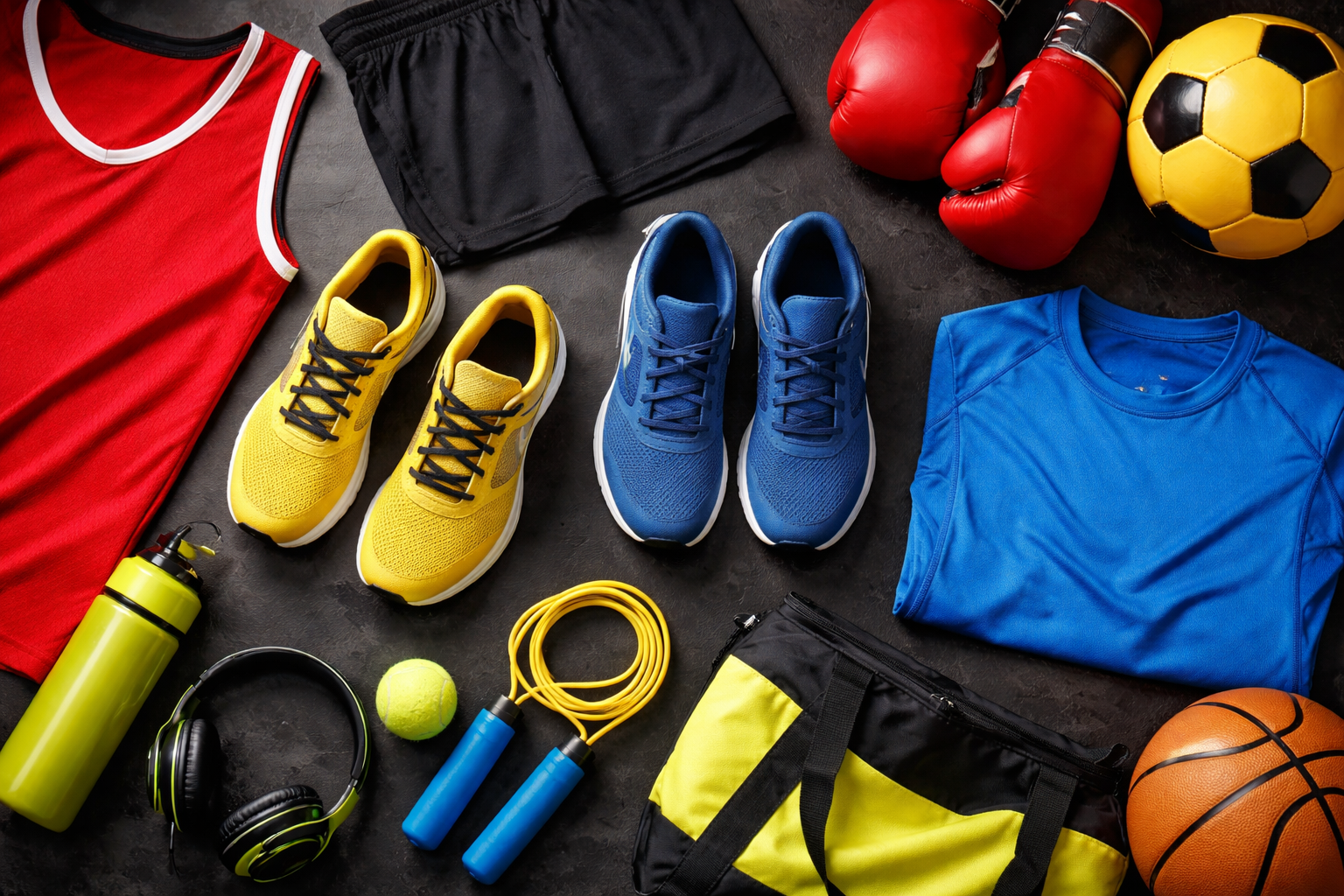
Yes, the color of sports gear can affect athletic performance—both psychologically and physiologically. While color doesn’t change muscle strength directly, it influences perception, confidence, focus, aggression levels, and even how opponents react. These subtle shifts can create measurable performance differences in competitive environments.
Color psychology has been studied in sports science, marketing, and behavioral research for decades. Athletes, coaches, and brands use color strategically because it shapes mindset and perception in powerful ways.
Let’s explore how and why.
The Psychology of Color in Sports
Human brains process color faster than text or shape. Color creates instant emotional responses. That reaction happens before conscious thought.
In sports settings, those reactions matter.
Different colors trigger different psychological states:
- Red – Power, aggression, dominance
- Blue – Calm, focus, stability
- Black – Authority, intimidation
- Yellow – Energy, optimism
- Green – Balance, recovery
- White – Cleanliness, discipline
These responses can influence how athletes feel before and during competition.
For example, wearing red has been linked to increased perceived dominance in combat sports. In several Olympic studies, athletes wearing red won slightly more often than those wearing blue in evenly matched contests.
That doesn’t mean red gives superpowers. It means perception shifts matter.
The “Red Advantage” in Competitive Sports
One of the most cited findings in sports psychology involves red uniforms.
Research published in behavioral science journals analyzed Olympic combat sports such as boxing and wrestling. Athletes wearing red uniforms had a statistically higher win rate in evenly matched competitions.
Why?
Two primary reasons:
- Opponents subconsciously perceive red as aggressive.
- Athletes wearing red feel more dominant.
Red stimulates heart rate and increases arousal levels. That heightened state can enhance reaction time in short bursts.
However, there’s nuance.
Too much arousal may reduce fine motor control in sports requiring precision, such as golf or archery.
Color impact depends on sport type.
Blue and the Power of Focus
Blue is often associated with calmness and clarity. In endurance sports or skill-based competition, blue may support steady performance.
Athletes performing under pressure often benefit from controlled breathing and mental composure. Blue environments have been shown to reduce anxiety in certain contexts.
For example:
- Blue training rooms may encourage concentration.
- Blue uniforms can promote perceived discipline.
- Cooler colors may help regulate mental intensity.
In sports requiring long-term focus rather than explosive aggression, blue may provide subtle advantages.
Black: Intimidation and Authority
Black uniforms frequently carry psychological weight.
Studies in professional sports leagues suggest teams wearing black are often perceived as more aggressive. In some cases, referees may subconsciously call more fouls against teams wearing black because of that association.
That perception can work both ways.
Black may:
- Increase perceived authority.
- Create intimidation.
- Enhance presence.
However, it can also influence officiating bias depending on context.
Color influences perception—not just for players, but for spectators and officials.
The Role of Visibility and Contrast
Performance isn’t just psychological. Practical visibility matters.
Bright colors improve visibility in fast-paced sports.
For example:
- Neon yellow improves visibility in cycling.
- Bright orange enhances spotting in snow sports.
- High-contrast colors improve team recognition in field sports.
Improved visibility enhances:
- Reaction time.
- Team coordination.
- Safety awareness.
In endurance events or outdoor sports, visibility can even reduce accident risk.
So color affects performance indirectly through environmental interaction.
Environmental Context Changes Everything
Color doesn’t exist in isolation. Environment shapes its effect.
Consider:
- Snowboarding in white gear on snowy terrain.
- Soccer in dark uniforms under extreme heat.
- Marathon runners in black clothing under sunlight.
Dark colors absorb more heat. That can raise body temperature in hot climates.
Light colors reflect sunlight. That may improve comfort in warm conditions.
In high-temperature sports, gear color may influence thermoregulation and hydration needs.
That’s not psychological—it’s physics.
Team Identity and Confidence
Athletes often report feeling more confident when they like their uniforms.
That confidence matters.
Confidence influences:
- Decision speed.
- Risk-taking.
- Reaction time.
- Aggression balance.
When athletes feel strong in their appearance, posture shifts. Posture influences hormones. Hormones influence performance.
It’s a feedback loop.
Color plays a role in self-perception.
Branding and Emotional Conditioning
Professional sports teams carefully select brand colors.
Fans associate specific emotions with those colors.
Athletes grow up admiring certain teams. Wearing those colors can evoke pride and motivation.
This emotional conditioning can enhance effort and focus.
Even amateur athletes report better training engagement when wearing gear they find visually appealing.
Motivation fuels performance.
Gender Differences in Color Perception
Research suggests men and women may respond slightly differently to certain colors in competitive environments.
For example:
- Red may increase competitive drive more strongly in male athletes.
- Cooler tones may support focus and composure in mixed groups.
However, results vary and depend heavily on context and personality traits.
Color effects are not universal.
Individual response matters.
Youth Sports and Color Influence
In youth sports, bright colors can increase excitement and engagement.
Children often respond positively to vibrant hues. Increased enthusiasm leads to higher participation rates and effort levels.
In early athletic development, engagement matters more than subtle psychological dominance.
Color choice can influence enjoyment.
Enjoyment sustains long-term performance growth.
Cultural Differences in Color Meaning
Color associations vary globally.
For example:
- Red symbolizes luck in some cultures.
- White represents mourning in others.
- Green may signify prosperity or nature.
International athletes competing globally may experience different emotional responses to colors based on cultural background.
Understanding cultural context becomes important in international competition.
Does Science Support Real Performance Differences?
Scientific evidence suggests color effects are real but subtle.
Color influences:
- Perceived dominance.
- Emotional arousal.
- Opponent intimidation.
- Confidence.
- Environmental comfort.
However, color does not increase muscle strength or aerobic capacity directly.
It enhances or dampens psychological variables that influence output.
In elite competition, small psychological shifts can create competitive edges.
How to Choose the Right Color for Your Sport
Instead of blindly following trends, consider:
- Sport type (aggressive vs endurance).
- Climate and temperature.
- Team dynamics.
- Personal psychological response.
- Visibility needs.
Ask yourself:
Do you feel more powerful in red?
More composed in blue?
More focused in black?
Personal response outweighs generalized research.
The Business Side of Color in Sports Gear
Sports brands invest millions in color research.
Seasonal collections often rotate trending palettes based on market psychology and performance studies.
Bright colors may dominate summer collections. Dark tones often appear in winter.
Athletes who want both style and performance benefits should pay attention to evolving gear designs.
If you want to understand the broader definition behind athletic equipment and apparel, explore What is considered sports gear? to gain foundational insight before making purchasing decisions.
Color in Individual vs Team Sports
Team sports require coordination and differentiation. Uniform color helps identify teammates quickly.
Individual sports prioritize psychological impact and personal comfort.
A boxer may choose red gloves for intimidation. A marathon runner may select white for temperature regulation.
Different goals require different choices.
Limitations of Color Influence
Color impact has boundaries.
If conditioning, skill, and strategy are lacking, color will not compensate.
It acts as a marginal enhancer—not a substitute for training.
Athletes should prioritize:
- Conditioning.
- Nutrition.
- Recovery.
- Equipment fit.
Color enhances, but fundamentals dominate.
Practical Takeaways
Here’s what athletes should remember:
- Color affects mindset.
- Mindset affects performance.
- Environmental interaction matters.
- Visibility enhances safety.
- Personal preference influences confidence.
The effect may be small, but in competitive sports, small differences matter.
Final Thoughts
So, can the color of sports gear affect athletic performance?
Yes—through psychological perception, emotional state, environmental physics, and opponent reaction.
It doesn’t change your strength, but it can change how you feel. And how you feel shapes how you perform.
Athletes seeking every advantage should consider color as one piece of a larger performance puzzle.
Choose intentionally. Train consistently. Compete confidently.
The right color won’t win the game alone—but it may help you feel ready to win it.