
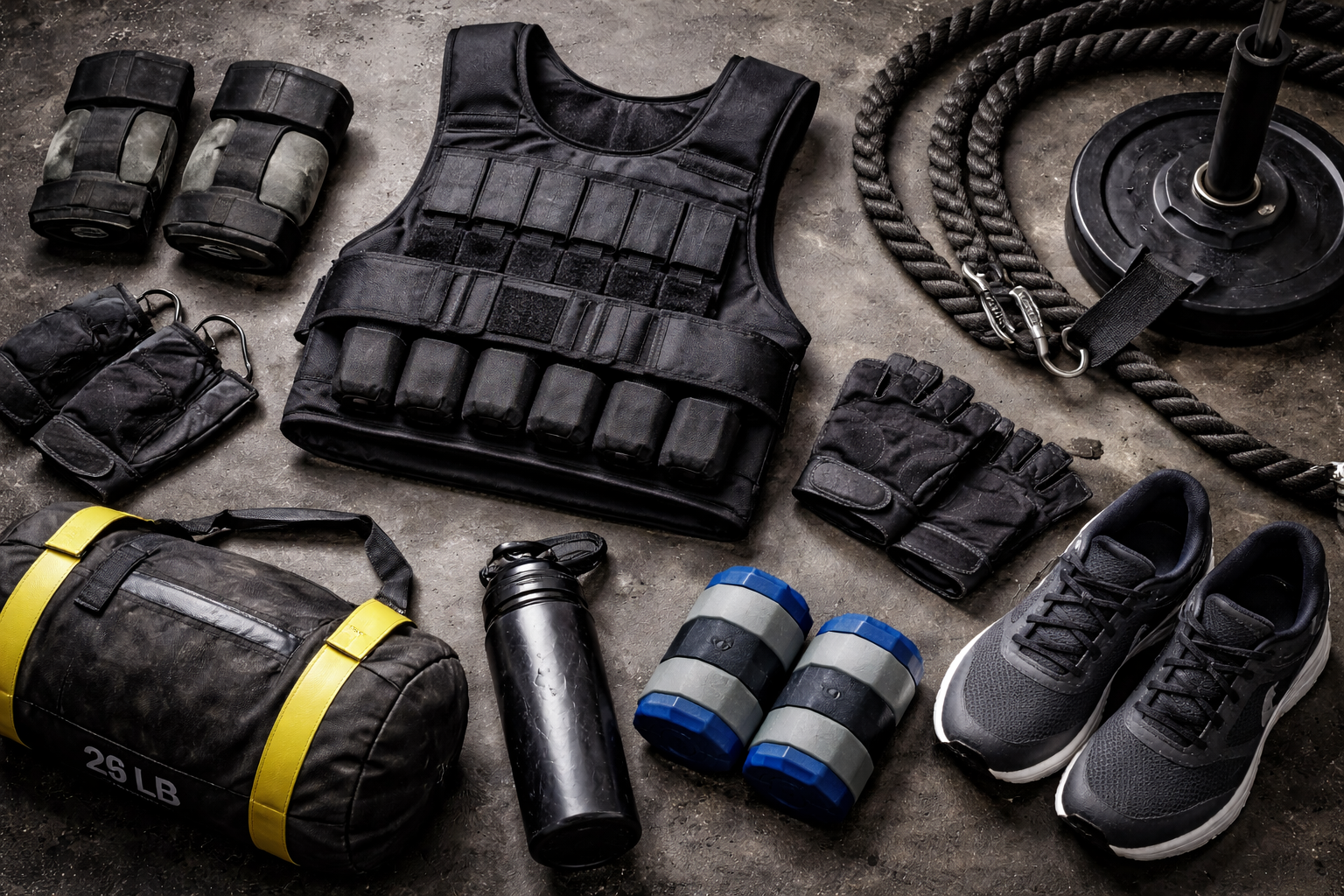
Athletes are constantly searching for ways to improve strength, endurance, and speed. One method that has gained popularity across many sports is training with weighted gear. From weighted vests and ankle weights to resistance sleeves and sled harnesses, these tools add extra load during workouts.
But why do athletes intentionally make training harder by adding weight to their bodies?
The answer lies in physiology, performance adaptation, and sport-specific conditioning. Weighted gear can challenge muscles, improve explosive power, and build endurance when used correctly. However, it must be used strategically to avoid injury or overtraining.
Understanding how and why athletes use weighted equipment reveals the science behind this demanding training approach.
The Basic Concept Behind Weighted Training
Weighted gear increases resistance during movement. This added resistance forces muscles to work harder than they normally would during the same exercise.
When athletes train with extra weight, several physiological responses occur:
- Muscle fibers recruit more force
- Neuromuscular coordination improves
- Cardiovascular demand increases
- Movement efficiency adapts under stress
Once the weight is removed, the body often moves faster and more efficiently because it has adapted to the higher workload.
This principle is known as overload training, a cornerstone of athletic conditioning.
Building Explosive Strength
One of the most common reasons athletes train with weighted gear is to develop explosive power.
Sports like basketball, football, track, and martial arts require sudden bursts of speed or force. Weighted training increases resistance during explosive movements such as:
- Sprinting
- Jumping
- Agility drills
- Plyometric exercises
For example, sprinting with a weighted vest requires greater leg drive. The muscles responsible for acceleration—glutes, hamstrings, and calves—must generate additional force.
After removing the weight, the athlete may experience improved sprint acceleration because the muscles have adapted to greater resistance.
Enhancing Muscle Endurance
Weighted gear also challenges muscular endurance.
Endurance athletes sometimes incorporate weighted training to strengthen stabilizing muscles that support long-duration activity.
For instance:
- Distance runners may perform hill walks with weighted packs.
- Soccer players may train with weighted vests during conditioning drills.
- Fighters may shadowbox with light wrist weights.
These workouts increase fatigue resistance, helping athletes maintain performance deeper into competition.
However, excessive load can disrupt natural movement mechanics, which is why experienced coaches monitor training intensity carefully.
Improving Core Stability
Weighted gear forces the body to stabilize itself under additional load. This increases demand on core muscles such as:
- Abdominals
- Obliques
- Lower back
- Hip stabilizers
Weighted vests are especially effective for this purpose. When performing exercises like push-ups, pull-ups, or squats with a vest, the body must maintain balance while supporting the added mass.
This strengthens stabilizing muscles that protect joints during athletic movement.
A stronger core translates to improved posture, balance, and injury prevention.
Developing Sport-Specific Strength
Another advantage of weighted gear is the ability to mimic real athletic demands.
Athletes rarely perform movements in isolation during competition. Instead, they execute complex movements while carrying body weight, equipment, or external forces.
Weighted training can simulate those conditions.
Examples include:
- Football players running drills in weighted vests
- Basketball players performing jumps with added resistance
- Military training using heavy packs
- Combat athletes practicing movement with resistance bands
These methods train the body to perform under realistic physical demands.
Improving Speed Through Resistance
At first glance, training with extra weight might seem counterproductive for speed.
However, resistance training can actually improve acceleration mechanics.
When athletes sprint while wearing weighted vests or pulling sleds, they must generate greater force against the ground. This strengthens muscles responsible for propulsion.
Once resistance is removed, the athlete often experiences faster initial acceleration due to improved force output.
This technique is widely used in track and field training programs.
Neuromuscular Adaptation
Weighted training doesn’t just strengthen muscles—it also enhances the communication between muscles and the nervous system.
This process is known as neuromuscular adaptation.
When movement becomes harder due to added weight, the brain recruits more motor units within muscles to maintain performance.
Over time, this improves coordination and reaction speed.
As a result, athletes may develop sharper movement control during competition.
Increasing Caloric Expenditure
Weighted gear significantly increases workout intensity.
Carrying additional weight forces the body to expend more energy during exercise.
For example, walking with a weighted vest increases calorie burn compared to regular walking. Similarly, bodyweight exercises become more demanding when resistance is added.
Athletes looking to improve conditioning often incorporate weighted gear to maximize training efficiency.
This method allows them to achieve higher metabolic output within the same training time.
The Psychological Advantage
Weighted training also provides a mental benefit.
When athletes remove weighted gear after intense training sessions, normal movement often feels easier and faster.
This sensation creates psychological confidence.
Athletes may feel lighter, quicker, and more prepared during competition.
Mental readiness plays a crucial role in athletic performance. Feeling physically prepared can improve focus, determination, and resilience under pressure.
Types of Weighted Training Gear
Several types of weighted equipment are commonly used in sports conditioning.
Weighted Vests
Weighted vests distribute weight evenly across the torso. They are often used for:
- Running drills
- Bodyweight exercises
- Agility training
- Military conditioning
Ankle Weights
Ankle weights increase resistance for lower-body movements. However, they must be used cautiously to avoid joint strain.
Wrist Weights
These small weights can increase resistance during upper-body drills such as shadowboxing or dynamic movement exercises.
Resistance Sleds
Sled training involves pulling or pushing weighted sleds across turf or track surfaces. This method develops explosive power and acceleration.
Weighted Backpacks
Common in hiking and military training, weighted packs improve endurance and load-bearing capacity.
Each type of gear targets specific performance goals.
Risks of Improper Weighted Training
Despite its benefits, weighted training carries risks if used incorrectly.
Excessive load can alter natural movement mechanics and increase injury risk.
Common mistakes include:
- Using too much weight too quickly
- Training with poor posture
- Wearing ankle weights during high-impact activities
- Overtraining without recovery
Athletes should gradually increase load and prioritize proper technique.
Coaches often recommend starting with light resistance before progressing to heavier weights.
The Importance of Gear Quality
Not all weighted gear is created equally.
Poorly designed equipment can create uneven load distribution or restrict natural movement.
High-quality weighted gear should offer:
- Balanced weight distribution
- Durable materials
- Secure fastenings
- Adjustable resistance levels
Using reliable equipment ensures that the benefits of weighted training outweigh the risks.
Athletes should also consider how long their equipment remains effective and safe during repeated use. For more insight into gear durability and lifespan, explore How long should high-performance sports gear actually last? to better understand equipment longevity.
When Weighted Training Is Most Effective
Weighted gear is most beneficial during specific training phases.
It is often used during:
- Strength-building cycles
- Preseason conditioning
- Explosive power training
- Off-season development programs
During competitive seasons, athletes may reduce weighted training to prioritize speed and recovery.
Balancing resistance and performance training helps athletes maintain peak condition without excessive fatigue.
Professional Athlete Examples
Many elite athletes incorporate weighted training into their routines.
Examples include:
- Sprinters using sled pulls for acceleration training
- Basketball players performing plyometric jumps with weighted vests
- Fighters practicing movement drills with resistance bands
- Soccer players wearing vests during endurance drills
These methods enhance sport-specific performance when implemented correctly.
Professional training programs combine weighted resistance with agility, flexibility, and recovery work to maximize results.
Final Thoughts
Weighted gear training represents a powerful tool in athletic development. By adding controlled resistance, athletes can strengthen muscles, improve endurance, and enhance explosive power.
However, success with weighted training depends on balance. Too little resistance provides minimal benefit, while excessive load increases injury risk.
When used strategically, weighted gear helps athletes push beyond normal limits and unlock new levels of performance.
The key lies in proper technique, progressive training, and using reliable equipment designed for athletic demands.
For athletes striving to improve strength, speed, and resilience, weighted training can offer a valuable edge.